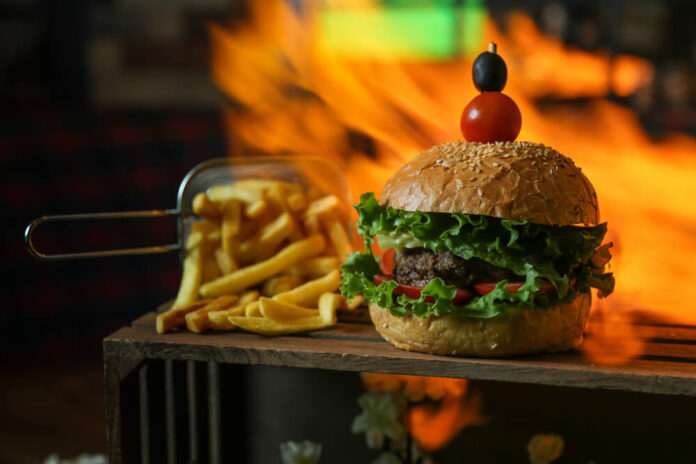
Red Robin has long been a staple of the casual dining scene in the United States, known for its delicious burgers, friendly service, and family-oriented atmosphere. However, as with many traditional dining chains, Red Robin has faced a range of challenges in recent years. Declining foot traffic, increased competition, and shifting consumer preferences have put the brand under pressure. In this article, we’ll explore whether Red Robin is going out of business, why it’s closing locations, how it’s trying to stay competitive, and what the future holds for this iconic brand.
History of Red Robin
Founded in 1969 in Seattle, Washington, Red Robin originally began as a single tavern offering burgers and beer. Over time, the company grew into a nationwide restaurant chain, with a focus on providing a casual, family-friendly environment. Its signature gourmet burgers quickly became popular, and Red Robin’s menu expanded to include a variety of other comfort foods, such as salads, sandwiches, and appetizers. By the 1990s, Red Robin was operating dozens of locations across the United States and Canada.
The brand’s success continued throughout the early 2000s, and Red Robin became known for its Bottomless Fries and high-quality burgers. By 2018, Red Robin had over 500 locations. But like many restaurant chains, it began to face increased competition from both new and established players in the casual dining market. Today, Red Robin is still operational but has had to make significant adjustments to adapt to the rapidly changing landscape.
Is Red Robin Going Out of Business?
No, Red Robin is not going out of business entirely, but it has faced significant challenges in recent years. While the chain continues to operate hundreds of locations, it has been forced to close some underperforming restaurants. As of 2025, Red Robin operates fewer than 400 locations, down from its peak of over 500. These closures reflect the company’s efforts to optimize its footprint and focus on higher-performing regions.
Red Robin has also been facing financial pressure, with declining sales in recent years and a drop in customer traffic. However, the brand is still active and has not filed for bankruptcy or ceased operations. Instead, it’s working hard to streamline operations and reposition itself in the casual dining space. Red Robin’s leadership has acknowledged these difficulties and is focused on reviving the brand through new strategies.
Why Are Red Robin Locations Closing?
Red Robin’s decision to close some of its locations is primarily due to declining customer demand and the company’s need to improve profitability. Several factors have contributed to this decline. Changes in consumer dining habits have played a key role, as more people opt for takeout, delivery, or fast-casual dining, leading to lower foot traffic at traditional sit-down restaurants like Red Robin. Additionally, increased competition from casual dining chains like Applebee’s and Chili’s has made it more difficult for Red Robin to maintain its market share.
The company has also faced higher operational costs, including rising food prices and labor shortages, further squeezing profit margins. As a result, Red Robin has had to make the difficult decision to close locations that are not performing well and focus on areas that offer greater opportunities for growth.
Competitors in the Casual Dining Industry
Red Robin operates in a crowded casual dining market where competition has only grown in recent years. Key competitors include:
Applebee’s: Known for its diverse menu and extensive drink specials, Applebee’s competes directly with Red Robin for family-friendly customers.
Chili’s: With a similar menu of burgers, ribs, and comfort food, Chili’s is another major player in the casual dining space.
Five Guys: Offering a more fast-casual experience, Five Guys appeals to burger lovers with a focus on high-quality ingredients and customizations.
Cheesecake Factory: While more upscale, Cheesecake Factory’s expansive menu attracts customers seeking a wider variety of dining options.
These competitors have taken market share from Red Robin by offering varied menus, competitive pricing, and convenient dining options, contributing to the challenges Red Robin has faced in recent years.
Red Robin Efforts to Stay Competitive
Despite the challenges, Red Robin is not giving up. The company has launched several initiatives to stay relevant in the competitive casual dining market. One of the most significant efforts has been its focus on digital transformation. Red Robin has updated its e-commerce platform to better serve online customers, investing in a more seamless and engaging shopping experience.
Additionally, Red Robin has revamped its marketing strategy, leveraging social media, influencer partnerships, and online campaigns to connect with a younger, more digitally savvy audience. These efforts reflect a commitment to maintaining relevance in the increasingly digital and competitive outdoor retail market.
Customer Reviews and Public Perception
Customer feedback on Red Robin has been mixed, with many praising its gourmet burgers and family-friendly atmosphere, but others pointing out issues with service consistency and food quality. Some of the common praises include:
High-quality burgers: Red Robin is known for its “gourmet burgers”, which remain a hit with customers who enjoy premium ingredients and generous portions.
Friendly service: Many customers note that staff are attentive and make dining at Red Robin an enjoyable experience.
However, negative reviews often cite:
Inconsistent service: Some customers report slower-than-expected service during peak hours.
Rising prices: As food and labor costs increase, some patrons feel that Red Robin’s prices are becoming less competitive compared to other dining options.
Financial Challenges Facing Red Robin
Red Robin’s financial difficulties are largely due to several key factors. The most notable is its declining traffic, with fewer customers choosing to dine at its restaurants. The rise of takeout and delivery options has hurt in-restaurant dining, reducing Red Robin’s revenue from its physical locations. The company has faced rising ingredient costs, particularly with beef, chicken, and other key components of its menu, which has further squeezed profit margins.
Red Robin also faces challenges related to labor shortages, which have increased wages and operational costs. The company has had to raise prices to offset these costs, but this has made the brand less competitive compared to other options in the casual dining space.
Red Robin Future Prospects
Despite these challenges, Red Robin’s future is not entirely bleak. The company is focused on restructuring and revitalizing its brand. By focusing on profitability, relevant menu items, and customer loyalty, Red Robin aims to recover and position itself for growth in the years to come.
If Red Robin can successfully adapt to changing dining trends and focus on digital engagement, it could stabilize its business and return to profitability. The closure of underperforming locations is a necessary step toward streamlining operations and focusing on areas that drive long-term success.
Conclusion
Red Robin is not going out of business, but it is certainly navigating a period of transition and restructuring. While the brand faces significant challenges, particularly from increasing competition and changing consumer habits, its efforts to stay competitive, focus on digital transformation, and commitment to customer satisfaction may pave the way for a stronger future. As it adapts to modern dining trends, Red Robin has a fighting chance to overcome its difficulties and reestablish itself as a top choice for casual dining.
Also Read:

