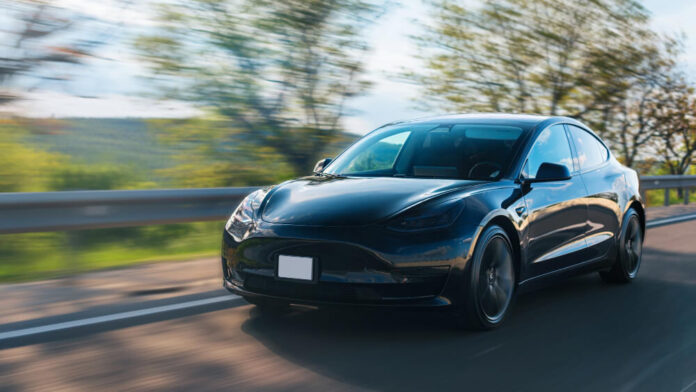
Tesla, Inc. has become synonymous with electric vehicles, innovation, and a rapidly evolving automotive industry. Founded in 2003, the company transformed the way the world views clean energy and transportation. From its early Roadster model to the popular Model 3 and Model Y, Tesla has dominated headlines for both its innovations and the high-profile activities of its CEO, Elon Musk.
Recently, rumors have circulated online suggesting Tesla might be struggling financially or even going out of business. These claims have sparked widespread concern among investors, EV enthusiasts, and the general public. This article explores Tesla’s history, current operations, financial status, and future trajectory to separate fact from fiction.
History of Tesla
Tesla was founded in 2003 by Martin Eberhard and Marc Tarpenning, with Elon Musk joining soon after as an early investor and chairman of the board. The company initially focused on producing high-performance electric sports cars, debuting the Roadster in 2008.
Over the years, Tesla expanded its vehicle lineup to include the Model S, Model X, Model 3, and Model Y, aiming to provide electric options across multiple price points. The company also branched into energy solutions, launching Tesla Energy, which offers solar panels, solar roofs, and the Powerwall battery system.
By combining innovation in electric drivetrains, battery technology, and autonomous driving software, Tesla established itself as a pioneer in the EV market. Its IPO in 2010 marked the company’s official entry into the public markets, and it has grown to become one of the most valuable automakers in the world.
Is Tesla Going Out of Business
Despite occasional media speculation, Tesla is not going out of business. The company continues to operate globally, producing vehicles, expanding manufacturing facilities, and investing in technology.
Rumors about Tesla’s financial health often arise from fluctuations in stock prices, public criticism, or temporary production challenges. However, these events are typical in any high-growth, innovation-driven company. Tesla’s consistent revenue growth, ongoing delivery numbers, and robust order backlog demonstrate that the company remains operational and financially viable.
What’s Really Going On? The 2025 Status Report
As of 2025, Tesla continues to deliver vehicles at scale and expand its global footprint. The company has increased production at Gigafactories in the U.S., Germany, and China, while also exploring new sites in Texas and Europe.
Tesla has faced challenges, including supply chain disruptions and raw material costs, but these are industry-wide issues affecting automakers globally. Despite these hurdles, Tesla maintains profitability in multiple quarters, continues to innovate in battery technology, and has strengthened its market position against competitors.
This status report confirms that, contrary to rumors, Tesla remains strong in both operations and market influence.
Tesla’s Current Business Operations
Tesla operates primarily in three key segments: vehicle manufacturing, energy products, and software solutions. Its vehicles include the Model S, Model 3, Model X, and Model Y, along with upcoming projects like the Cybertruck and Tesla Semi.
The company also generates revenue from energy solutions, including solar panels, Powerwalls, and grid-scale battery projects. Tesla’s software ecosystem, particularly its Full Self-Driving (FSD) package, adds recurring revenue streams and strengthens its technological edge.
Tesla’s operations are global, with production facilities in North America, Europe, and Asia, enabling the company to meet growing demand for EVs and sustainable energy solutions.
From Startup to EV Giant: Tesla’s Journey and Stability
From a small startup, Tesla has become a market-leading electric vehicle manufacturer. The company’s growth trajectory has been fueled by innovative technology, aggressive marketing, and high consumer demand.
Tesla’s vehicle deliveries continue to rise year over year, and its expanding service and charging infrastructure provide additional stability. Strategic partnerships, advances in battery technology, and a loyal customer base ensure that Tesla is well-positioned to maintain its leadership in the EV sector.
This journey illustrates that Tesla’s current challenges are typical growing pains of a high-tech, high-demand company rather than signs of impending failure.
Tesla’s Road Ahead: Why the Company Isn’t Going Anywhere
Tesla’s future remains bright due to its ongoing expansion, innovation, and strategic planning. The company is investing heavily in next-generation battery technology, aiming to reduce costs and increase vehicle range.
Plans for autonomous vehicles, energy storage solutions, and international expansion all indicate that Tesla is focused on long-term growth. Even temporary production or supply chain challenges are outweighed by Tesla’s technological leadership and brand strength.
In short, Tesla is navigating the road ahead with the tools, resources, and strategy needed to remain a dominant player in the global automotive and energy sectors.
Elon Musk and Tesla: Separating Facts from Rumors
Elon Musk’s public persona often amplifies rumors about Tesla’s stability. High-profile tweets, ambitious project announcements, and controversial statements can spark speculation, but these do not reflect the company’s underlying operations.
Musk’s leadership has been instrumental in driving Tesla’s technological innovations, securing funding, and maintaining global attention. While media coverage may exaggerate challenges, the facts show Tesla remains financially and operationally strong.
Separating sensational headlines from operational reality helps clarify that Tesla is far from closing its doors.
Tesla in 2026: Navigating Challenges Without Closing Doors
As Tesla moves into 2026, the company faces typical industry challenges: raw material cost fluctuations, regulatory scrutiny, and increasing competition from legacy automakers and new EV startups.
However, Tesla continues to grow its production capacity, expand software offerings, and invest in research and development. These efforts ensure the company can overcome obstacles without threatening its existence. Tesla’s ability to adapt demonstrates resilience and long-term viability.
Battery-Powered Success: How Tesla Continues to Thrive
Tesla thrives because of its innovative technology, strong brand loyalty, and diversified revenue streams. Its vehicles, energy products, and software services provide multiple avenues for growth and profitability.
The company’s Gigafactories, international sales, and focus on sustainable energy solutions position Tesla as a leader in the automotive and clean energy markets. By consistently innovating and meeting market demand, Tesla maintains a competitive advantage that ensures it will continue to thrive.
Conclusion
Tesla is not going out of business. While rumors and media speculation may suggest otherwise, the company remains operational, profitable, and innovative. Its global operations, growing vehicle deliveries, energy solutions, and strong technological leadership demonstrate that Tesla is here to stay.
From its humble beginnings as a startup to its current position as a global EV and energy leader, Tesla continues to navigate challenges while maintaining growth and market dominance. Customers, investors, and industry watchers can be confident that Tesla’s journey is far from over, and the company remains a major force in shaping the future of transportation and sustainable energy.
Also Read:

